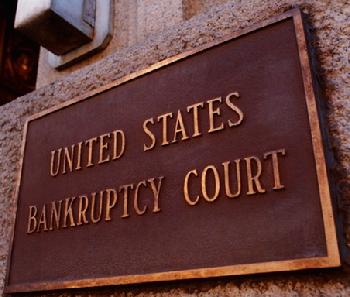
ABOUT BANKRUPTCY
Bankruptcy is a federal law designed to protect individuals who have encountered financial difficulty. Filing bankruptcy offers immediate relief to a debtor, by prohibiting all collection attempts. Activities prohibited by the Bankruptcy Code include phone calls and letters designed to collect a debt, as well as lawsuits, garnishments, repossessions and foreclosures. All creditor contact must cease immediately upon the filing of a petition for bankruptcy, subject to certain exceptions in a small number of cases.
Depending upon the type of bankruptcy which is filed, debts may be eliminated entirely, or reorganized and repaid over time through a court supervised repayment plan. The type of bankruptcy which is best for a particular client will depend upon their particular circumstances, and the goals which they seek to achieve. Kelley and Johnson offers a free bankruptcy consultation to review the client’s financial situation and propose a debt relief solution.
CHAPTER 7
Chapter 7 bankruptcy provides for the elimination of unsecured debts, such as credit card debt, medical bills and deficiency claims. Consumers who file a Chapter 7 bankruptcy are also provided the opportunity to retain secured debts, such as a house mortgage, car payment, or furniture payment. Every state has exemptions which allow debtors to retain property, despite the filing of a bankruptcy. The elimination of your unsecured debt in a Chapter 7 bankruptcy case is designed to provide the consumer with a fresh start, without the burden of unsecured debts beyond their ability to repay.
CHAPTER 13
A Chapter 13 bankruptcy or wage-earner plan, is a Bankruptcy Court supervised repayment plan which allows for Debtors to reorganize their debts based on their ability to repay. A Chapter 13 bankruptcy will prevent foreclosure of real estate and repossession of automobiles, and provide the consumer with a method of repaying these debts over time. A Chapter 13 plan also allows consumers to repay certain debts, such as car payment or furniture payment, based on the value of the collateral, rather than the balance owed. A Chapter 13 plan may also provide for the payment of certain debts which cannot be eliminated in a Chapter 7 bankruptcy, such as taxes or student loans. It also provides for the elimination or reduction of interest in many debts. There are also certain situations in which a consumer may be required to file a Chapter 13.
The typical Chapter 13 plan can last for no more than five years. The term of the case may vary depending upon the amount of income that a person has, and the types of debt which they owe. In order for an individual to be eligible to file a Chapter 13 bankruptcy, they must have a verifiable source of income. The individual’s income may come from a variety of sources, including wages, social security, retirement income, or other sources.
|
|